

The reality is that patients expect digital access to their healthcare information. They want to book appointments through online scheduling, access medical records and test results instantly, and communicate with their healthcare provider without playing phone tag. The healthcare practices that meet these expectations thrive, while those that don't risk losing patients to more digitally savvy competitors.
I've tested and evaluated the top patient portal solutions available today. After diving deep into features, security protocols, user experiences, and real-world implementations, I've narrowed it down to eight standout platforms that can genuinely transform how healthcare practices manage patient relationships and enhance patient engagement.
In this comparison, I'll walk you through the eight best patient portal software solutions for 2026: Clinked, IQVIA, Medable, MyClients Plus, Mend, Intergy, SimplePractice, and CharmHealth.
Evaluating patient portal software: scoring methodology
Before diving into specific platforms, let me explain how I evaluate patient portal software:
- Features & functionality (30%): This covers the core portal capabilities that patients and healthcare providers use. I tested appointment scheduling, secure messaging, document sharing, lab result access, prescription management, and mobile EHR functionality. The best platforms make these features intuitive rather than overwhelming, enhancing operational efficiency while reducing administrative burdens.
- Security & compliance (25%): Healthcare data security isn't negotiable. I evaluated HIPAA compliance, data encryption standards, access controls, audit trails, and disaster recovery capabilities. For healthcare practices serious about data security and protecting patient information, this category can determine the final choice.
- User experience (20%): A patient portal that confuses patients won't get used, negatively impacting patient satisfaction. I assessed interface design with a user friendly approach, ease of navigation, onboarding processes, and patient adoption rates. The goal is finding platforms that feel natural to use, ensuring patients can actively participate in their care.
- Value for money (15%): Cost matters, especially for smaller healthcare practices. I compared pricing against features, calculated potential ROI through reduced administrative workflows and improved revenue cycle management, and evaluated whether the investment makes financial sense for different practice sizes.
- Support & implementation (10%): I examined customer service responsiveness, training resources, onboarding assistance, and ongoing technical support quality, ensuring the platform works seamlessly with your existing systems.
Quick comparison: top patient portal software at a glance
Top 8 patient portal software: detailed reviews
Clinked
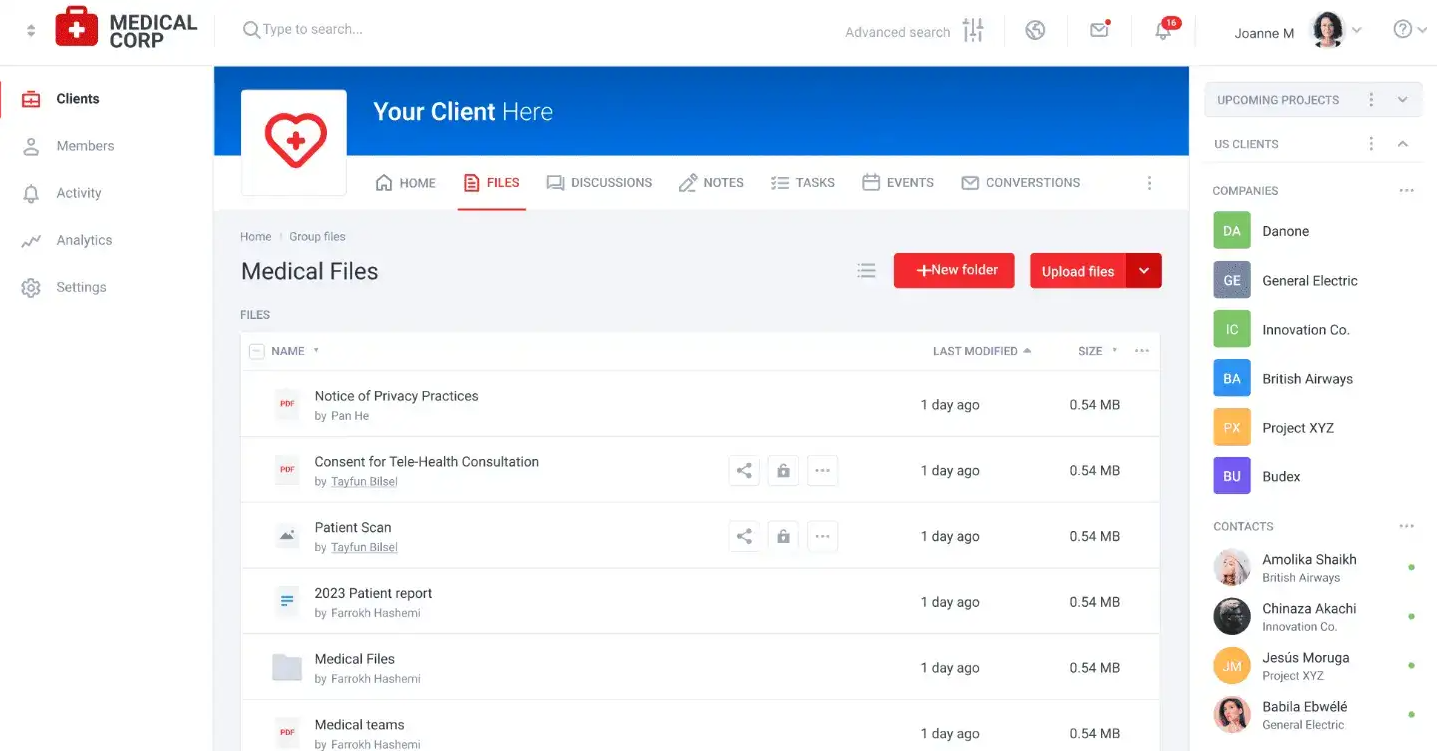
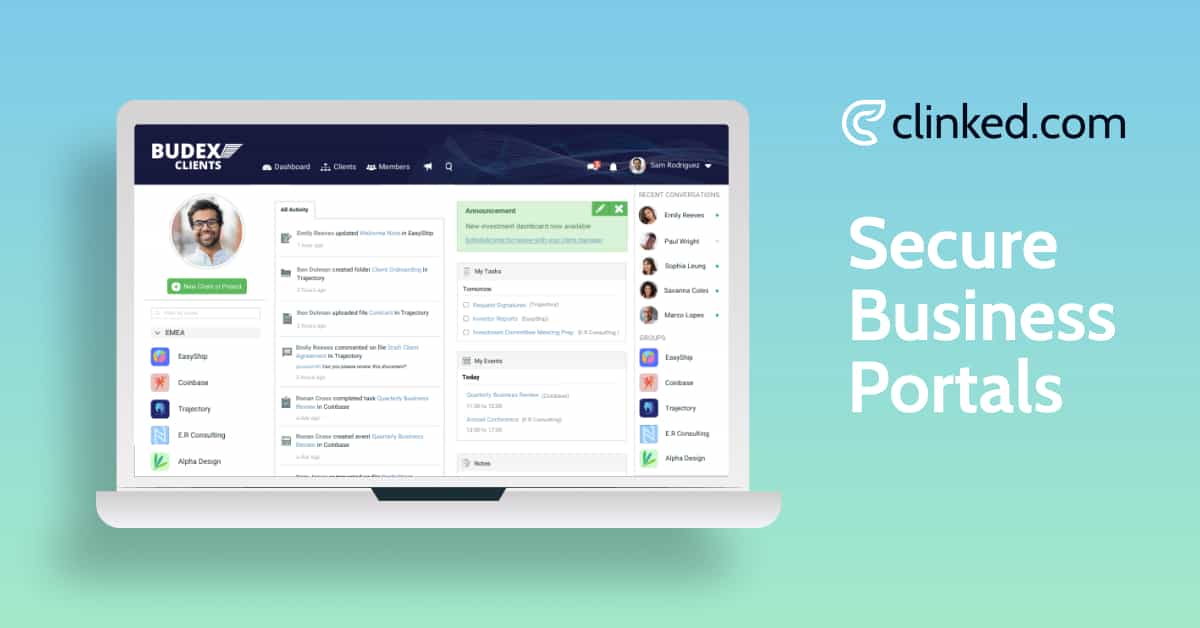
After testing dozens of patient portal platforms, Clinked stands out for its security-first approach and professional-grade features. It's a comprehensive collaboration platform designed for healthcare providers who take data security and patient care seriously.
What impressed me most during my evaluation was Clinked's commitment to enterprise-level security standards. The platform is ISO 27001 certified, GDPR compliant, and HIPAA-capable. When I tested their encryption protocols and access controls, everything felt bulletproof, ensuring seamless integration with other systems without compromising security.
Best for: Healthcare practices prioritizing security, professional service providers, and healthcare organizations needing white-label customization capabilities.
Ready to see how Clinked can transform your patient communications? Book a demo or start your free trial.
Pros and cons
Pros:
- ISO 27001 certification provides enterprise-grade security for medical information
- White-label customization maintains your brand identity while enhancing patient experience
- Bank-grade encryption protects medical records
- Extensive audit trails and approval workflows support compliance
- Real-time collaboration features, including secure messaging, enhance care coordination
- Works seamlessly with Google Workspace, MS 365, Jotform and DocuSign, among others
- Custom domains and branded mobile apps available for iOS and Android operating systems
Cons:
- Premium security features may be overkill for very small practices
- Learning curve for advanced collaboration features
- Pricing may escalate if you need premium features
Features list
Clinked's feature set goes beyond basic patient portal functionality, offering cloud-based solutions that support modern healthcare delivery:
- Secure document sharing: Version control, audit trails, approval workflows for medical records
- Real-time communication: Group and 1-on-1 chat, @mentions, discussion forums—reducing phone calls
- Project management: Kanban-style boards, task assignments, shared calendars for care coordination
- White-label branding: Custom domains, branded portals, optional mobile apps to enhance patient satisfaction
- Client portals: For managing patients, teams, files, communication and updates
- Advanced security: ISO 27001 certified, GDPR and HIPAA compliance for healthcare data
- Integrations: Native connections to Google Workspace, MS 365, Jotform, DocuSign, and 7,000+ apps via Zapier, eliminating disparate systems
Learn more about creating a HIPAA-compliant patient portal or explore our patient onboarding platform capabilities.
Pricing
- Lite: $119/month
- Standard: $299/month
- Premium: $599/month with more advanced features
- Custom plans available for larger organizations
User opinions
IQVIA
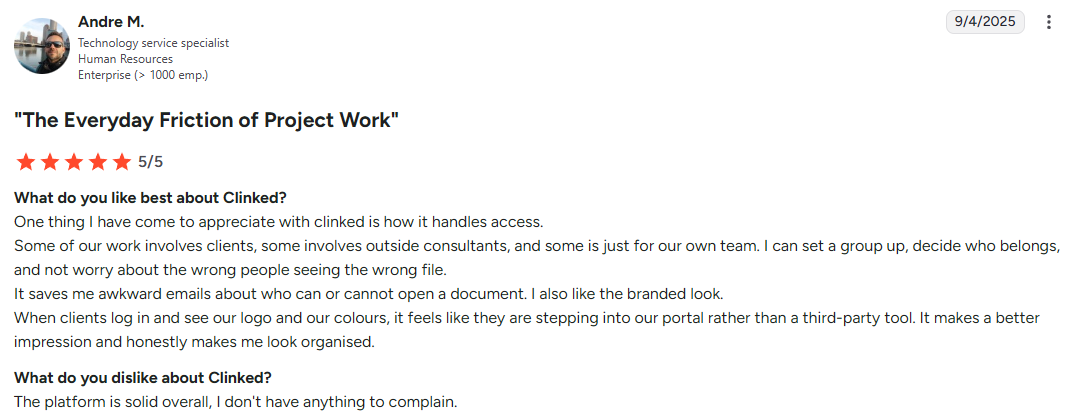
IQVIA brings a unique perspective to patient portal software, combining traditional portal functionality with extensive clinical research capabilities. During my evaluation, I found this platform particularly strong for healthcare organizations involved in research activities and clinical operations.
This tool excels in environments where patient data needs to serve dual purposes: routine patient care and clinical research. IQVIA's seamless integration with research databases and clinical trial management systems sets it apart from purely clinical portals, supporting better outcomes for research-focused healthcare providers.
Best for: Research institutions, hospitals conducting clinical trials, and healthcare organizations with significant research components.
Pros and cons
Pros:
- Seamless integration with clinical trial systems and EMR systems
- Detailed data analytics and reporting capabilities delivering actionable insights
- Strong regulatory compliance framework for healthcare data
- Global reach and scale for multi-location operations
- Advanced patient engagement tools for research participants
Cons:
- Complex setup process requiring technical expertise
- Higher cost structure than basic portal solutions
- May be overengineered for simple practice management needs
- Learning curve for non-research-focused staff
Features list
- Clinical trial patient engagement with AI-powered tools
- Advanced analytics and reporting for data-driven decision making
- Regulatory compliance management for healthcare organizations
- Global data management capabilities across multiple sites
- Research participant tracking and communication
- Integration with EHR systems for comprehensive patient records
Pricing
IQVIA uses custom pricing models based on organization size, research volume, and specific feature requirements. Contact their sales team for detailed pricing information.
User opinions
Medable
Medable is a platform for decentralized clinical trials and patient engagement. During my testing, I found it particularly well-suited for healthcare organizations conducting patient-centric research studies while maintaining focus on patient experience.
The platform shines when you need to engage patients in research activities while maintaining their connection to routine care. Medable's approach to patient engagement goes beyond traditional portal functionality to include research participation tools and mobile EHR access.
Best for: Clinical research organizations, pharmaceutical companies, and healthcare providers conducting decentralized trials.
Pros and cons
Pros:
- Specialized decentralized clinical trial features
- Strong patient engagement capabilities
- Mobile-first design approach for any operating system
- Integration with research databases and disparate systems
- Real-time data collection tools for clinical operations
Cons:
- Limited functionality for routine clinical practice management
- Higher complexity than traditional patient portals
- Pricing can be steep for smaller healthcare organizations
- Learning curve for non-research staff
Features list
- Decentralized clinical trial management platform
- Patient engagement and retention tools enhancing patient outreach
- Real-time data collection and analysis
- Mobile app capabilities for iOS and Android
- Research participant communication, reducing phone calls
- Regulatory compliance tools for healthcare data
Pricing
Custom pricing based on study requirements and patient enrollment numbers. Contact Medable directly for quotes.
User opinions
Clinical research coordinators praise Medable's ability to keep patients engaged throughout research studies, improving patient satisfaction. However, healthcare practices without research components may find the feature set unnecessarily complex.
MyClients Plus
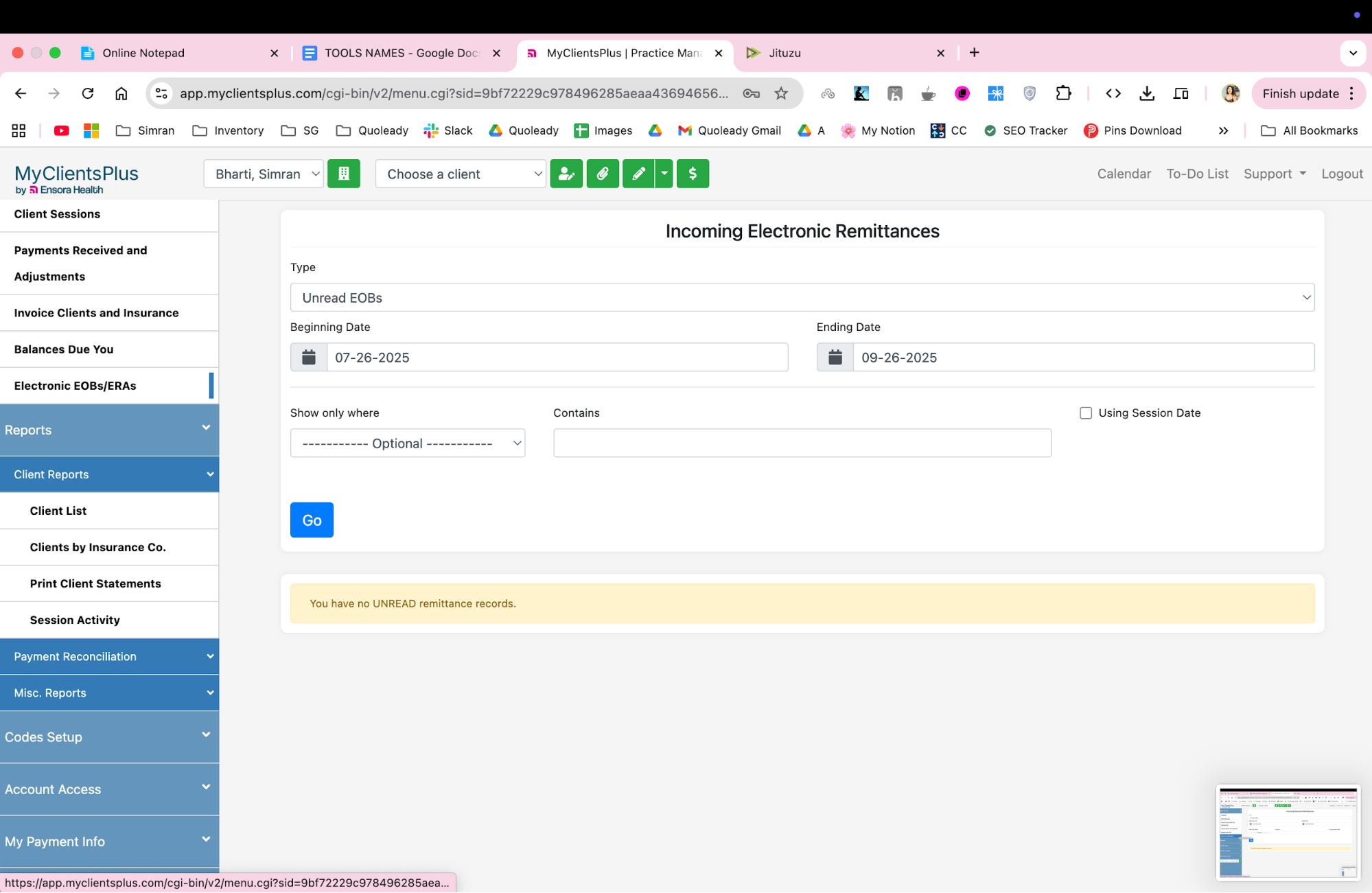
MyClients Plus takes a CRM-focused approach to patient portals. I found this practice management platform particularly effective for healthcare practices wanting to combine patient care with relationship management.
The platform's strength lies in its ability to treat patients as clients while maintaining healthcare-specific compliance requirements. This approach works well for practices with a strong customer service focus on patient experience.
Best for: Small to medium healthcare practices focusing on patient relationship management, specialty practices with ongoing patient relationships.
Pros and cons
Pros:
- CRM integration enhances patient relationships and patient engagement
- User-friendly interface for staff and patients
- Affordable pricing for small healthcare practices
- Good customer support team
- Integration with popular practice management systems
Cons:
- Limited advanced clinical features compared to comprehensive EHR platforms
- Basic reporting capabilities for data analysis
- Security features less robust than enterprise solutions
- Limited customization options for branding
Features list
- Patient relationship management for enhanced patient experience
- Appointment scheduling with online scheduling capabilities
- Secure messaging to reduce phone calls
- Document sharing for medical records access
- Basic reporting tools for practice insights
- Practice management integration with existing systems
Pricing
Starting at $19.95 per month for unlimited clients and user accounts per provider with a 30-day free trial available. Electronic billing is an additional $10/month.
User opinions
Mend
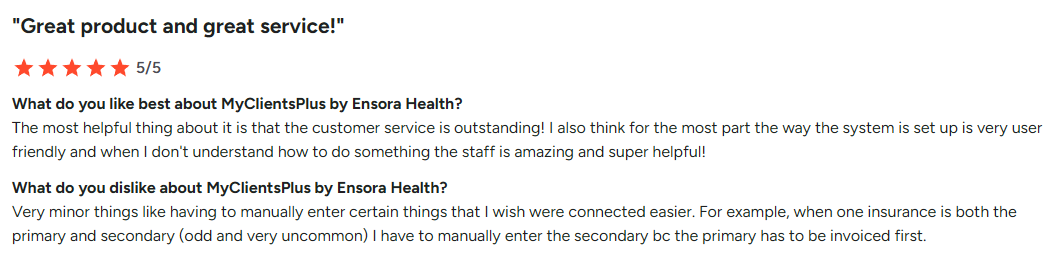
Mend focuses heavily on telehealth and automated patient engagement workflows. During my testing, I found this platform particularly strong for healthcare practices that have embraced virtual care delivery and want to improve their operational efficiency.
The platform's automated workflow capabilities impressed me, especially for routine patient communications and appointment management. Mend seems designed for practices wanting to reduce administrative burdens through automation while maintaining high patient satisfaction.
Best for: Telehealth-focused practices, healthcare providers wanting automated patient engagement, practices with high appointment volumes.
Pros and cons
Pros:
- Strong EHR / PMS systems integrations
- Automated workflow capabilities reduce manual workflows
- User-friendly interface enhances patient experience
- Good mobile experience across any operating system
- Integration with popular EHR and EMR systems
Cons:
- Limited customization options for unique practice needs
- Basic security features compared to enterprise solutions
- Can be complex to set up initially
- Limited offline functionality
Features list
- Telehealth platform for remote patient care
- Automated appointment reminders reduce no-shows
- Patient intake automation streamlining check-in processes
- Secure messaging for patient-provider communication
- Mobile app access for patients on any device
- EHR integration capabilities supporting seamless workflows
Pricing
Pricing is not disclosed on the official Mend website.
User opinions
Intergy
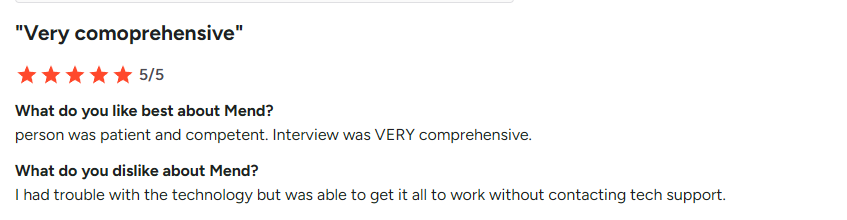
Intergy offers EHR-integrated patient portal technology with specialty-specific customization options. This practice management platform is particularly well-suited for healthcare practices needing deep integration with their existing EHR systems.
The platform's strength lies in its specialized templates and clinical workflows. Intergy seems designed for practices that need more than generic patient portal functionality without enterprise-level complexity.
Best for: Specialty practices, multi-location clinics, healthcare organizations with complex EHR integration needs.
Pros and cons
Pros:
- Deep EHR integration capabilities eliminate disparate systems
- Specialty-specific customization for clinical workflows
- Multi-location support for larger healthcare organizations
- Comprehensive reporting tools providing actionable insights
- Established market presence with proven track record
Cons:
- User interface feels dated compared to newer cloud-based solutions
- Complex setup process requiring technical expertise
- Higher learning curve for staff
- Customer support can be slow to respond
Features list
- EHR integration for comprehensive medical records management
- Specialty-specific templates for various clinical specialties
- Multi-location management for healthcare organizations
- Patient communication tools enhancing patient engagement
- Medical billing integration supporting revenue cycle management
- Reporting and analytics for practice insights
Pricing
Custom pricing based on practice size and feature requirements.
User opinions
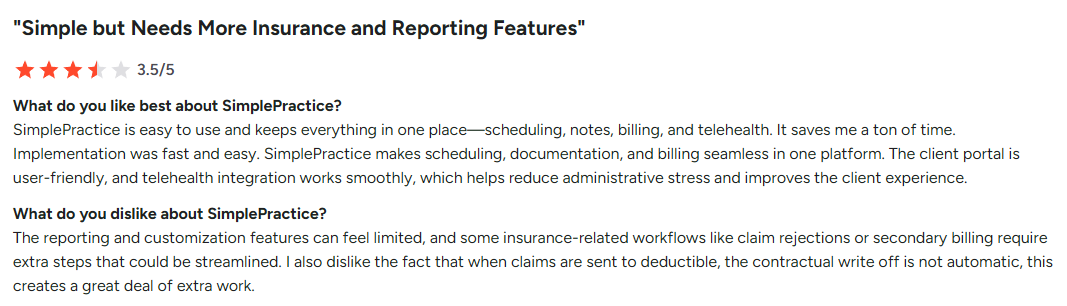
SimplePractice
SimplePractice specializes in mental health and therapy practices, offering patient portal functionality designed specifically for behavioral health providers and mental health professionals.
The platform's understanding of mental health workflows shows in details like secure messaging protocols and appointment scheduling that accounts for therapy-specific needs. SimplePractice feels purpose-built rather than adapted, enhancing both patient experience and provider efficiency.
Best for: Mental health professionals, therapy practices, behavioral health providers.
Pros and cons
Pros:
- Purpose-built for mental health professionals and behavioral health
- Excellent scheduling automation reduces administrative workflows
- HIPAA-compliant telehealth integration for virtual therapy sessions
- User-friendly interface for both healthcare providers and clients
- Strong customer support understanding mental health workflows
Cons:
- Limited functionality outside mental health use cases
- Basic customization options for branding
- Integration options somewhat limited compared to larger platforms
- May be poorly suited for general medical practices
Features list
- Mental health-specific workflows optimized for therapy practices
- Secure telehealth platform for virtual sessions
- Automated scheduling and reminders reduce no-shows
- Client intake forms automating the check-in process
- Progress note-taking tools for clinical documentation
- Insurance billing capabilities supporting revenue cycle management
Pricing
- 7 or 30-day free trial
- Starter: $49/month
- Essential: $79/month
- Plus: $99/month
User opinions
CharmHealth
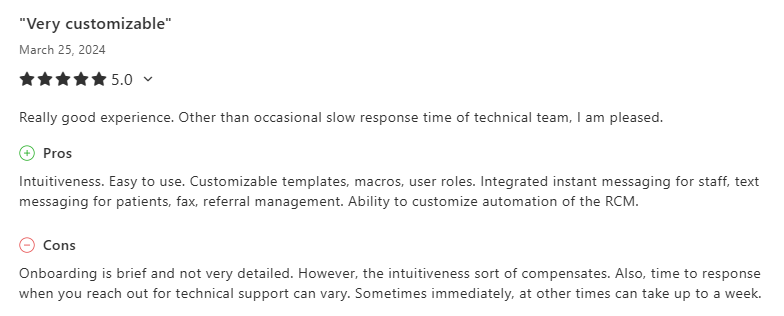
CharmHealth is an all-in-one EHR platform with a patient portal functionality. It's great for independent practices wanting a single platform for anything from medical records to medical billing.
Rather than integrating multiple disparate systems, healthcare practices can handle everything from patient records to portal access within CharmHealth.
Best for: Independent practices, primary care providers, healthcare practices wanting an all-in-one solution.
Pros and cons
Pros:
- Complete EHR and patient portal integration, eliminating disparate systems
- Comprehensive medical billing integration supporting revenue cycle management
- Friendly interface design enhancing adoption
- Good value for money compared to separate systems
Cons:
- Limited advanced customization options for unique workflows
- Basic reporting capabilities for detailed analytics
- Customer support can be inconsistent
- May lack specialized features for complex specialty practices
Features list
- Integrated EHR and patient portal for comprehensive medical records
- Online scheduling for appointment management
- Medical billing and revenue cycle management with payment processing
- Prescription management for e-prescribing
- Lab integration for test results access
- Telehealth capabilities for virtual patient visits
Pricing
Custom quotes are available after filling out a form.
User opinions
Choosing your ideal patient portal solution
After testing these leading patient portal software, it’s clear the best choice depends less on having the most features and more on meeting a practice’s unique needs, security requirements, and growth goals.
Research-driven organizations may prefer IQVIA or Medable, which excel in clinical trial integration. SimplePractice stands out for mental health workflows, while CharmHealth and Intergy provide EHR integration for clinics that need seamless coordination between documentation and billing.
For practices handling sensitive data, Clinked offers enterprise-level security, HIPAA compliance, and ISO 27001 certification, making it ideal for regulated environments that also want white-label branding, client portals and document management.
Book a demo or start your free trial to see how enterprise-grade security and white-label customization can transform your patient engagement strategy and improve patient outcomes.
FAQs
What is patient portal software and how does it work?
Patient portal software is a secure online platform that lets patients view health records, schedule appointments, request refills, and message providers. It usually integrates with EHR systems and is accessed via a web browser or mobile app.
What are the benefits of patient portal software for healthcare providers?
Portals reduce administrative tasks like scheduling and refill requests, improve patient satisfaction, cut down phone calls, and support better treatment adherence through easier communication.
How much does patient portal software cost for medical practices?
Pricing varies by features and practice size. Many providers offer custom billing solutions. Others offer free trials. Basic plans of the tools on this list are around $20-100/month, depending on your needs.
How do you implement patient portal software in a medical practice?
Start by assessing your needs and ensuring EHR compatibility. Train staff, test internally, then roll out to patients. Provide education materials and support to encourage adoption. Success depends on both staff and patient comfort with the system.





.webp)